

Escalating North American Tensions: What Canada’s EU Bid and Rising Tariffs Mean for Importers

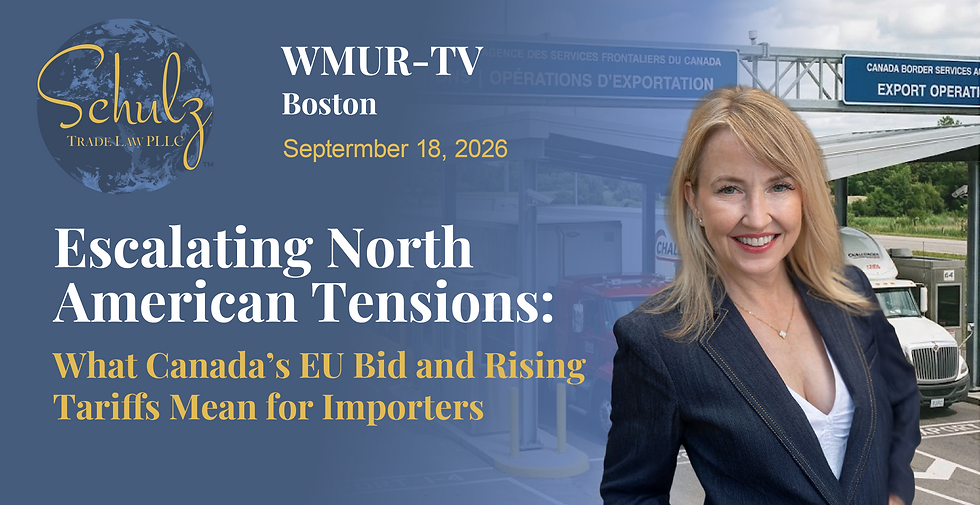
Escalating North American Tensions: What Canada’s EU Bid and Rising Tariffs Mean for Importers
As trade alliances shift and tariff pressures mount, U.S. importers face compounding supply chain costs and tough financial decisions.
Summary:
Recent proposals for Canada to join the European Union as an associate member have drawn sharp warnings from Washington, threatening severe escalation in an already volatile trade climate. With existing duties on European and Canadian goods heavily impacting the market, experts warn that businesses and consumers will bear the brunt of rising cross-border friction.

The intersection of shifting geopolitical alliances and aggressive tariff policies is creating unprecedented uncertainty for North American supply chains. With over $380 billion in Canadian goods imported into the U.S. annually, any structural break or alignment shift threatens to disrupt critical manufacturing inputs, force longer supply routes, and introduce heavy administrative hurdles. Importers are forced to re-evaluate traditional logistics networks while navigating steep existing penalties that squeeze profit margins across multiple industries.
Addressing the immediate financial fallout on domestic companies, Michelle Schulz, founder and managing partner of Schulz Trade Law, noted the difficult decisions facing businesses caught in the crossfire:
"US companies that are importing from Canada, they're saying, you know, we may just have to pass on the costs. And that's a little—a little scary for all of us."
As regulatory pressures and potential retaliatory tariffs evolve, proactive compliance and supply chain strategy remain critical.

Navigating complex tariff updates and trade volatility requires expert guidance.
Contact Schulz Trade Law today to consult with our international trade attorneys and protect your supply chain operations.
Subscribe to Schulz Trade Law for more updates.


Comments